
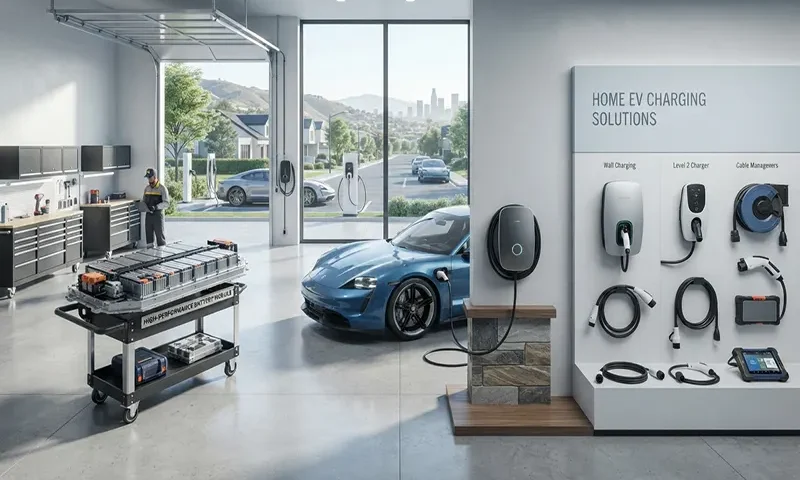
High Performance Electric Vehicle Battery Replacement Packs and Home Charging Accessories
The Aftermarket Power Evolution
As early-generation electric vehicle fleets mature past factory warranties, the automotive aftermarket is experiencing a radical shift. The focus has moved past simple mechanical consumables toward advanced energy storage upgrades and high-power residential integration. High-performance battery replacement packs and next-generation home charging ecosystems are redefining vehicle longevity, transforming secondary market EVs into modular, highly efficient mobile assets.
High-Performance Replacement Packs: Chemistries and Modularity
The aftermarket energy sector has evolved far beyond basic OEM cell swaps, introducing high-density solutions designed to enhance original factory specifications.
- Advanced Chemistries: Aftermarket pack developers are increasingly deploying high-voltage lithium-iron-phosphate (LFP) chemistries for enhanced thermal safety and longevity, alongside early-adopter silicon-anode options that push volumetric energy densities past 350 Wh/kg.
- Modular Architecture: Rather than forcing consumers into expensive, full-pack replacements, modern aftermarket suppliers utilize modular cell designs. This allows certified workshops to isolate and replace degraded individual modules, slashing repair overhead.
- Performance

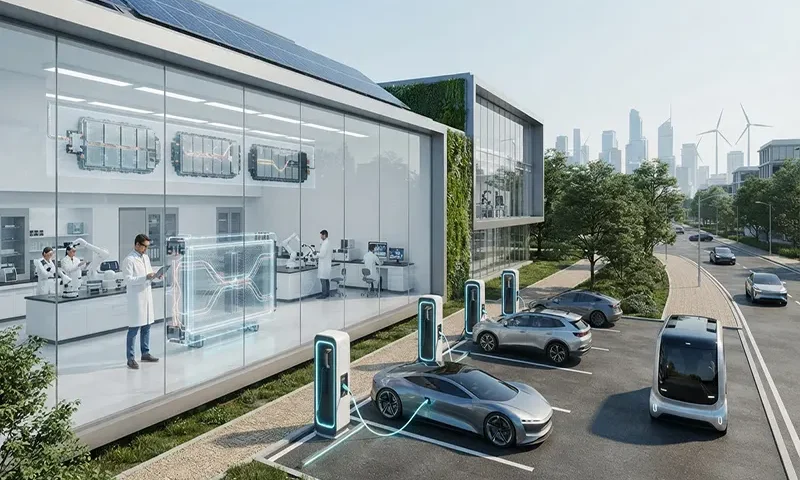
Next Generation EV Battery Technology and Fast Charging Station News
The Energy Density Frontier
The next phase of electric vehicle mass adoption hinges entirely on breaking through legacy lithium-ion energy density ceilings and charging speed bottlenecks. While traditional chemistry has served the industry well, rising consumer expectations and commercial fleet demands require a radical leap in energy storage. Commercial breakthroughs across semi-solid-state electrolytes, silicon-dominant anodes, and megawatt-class charging infrastructure are now converging to eliminate range anxiety and slash refueling times down to parity with internal combustion engines.
Solid-State and Semi-Solid Battery Commercialization
The commercialization roadmap for advanced energy storage has entered a critical execution phase, characterized by a pragmatic shift toward semi-solid (solid-liquid hybrid) architectures.
- The Semi-Solid Bridge: While fully dry, all-solid-state cells remain heavily confined to pilot-line optimization and research labs due to steep production cost premiums and interfacial resistance challenges, semi-solid variants (featuring a 5% to 15% liquid-solid mix) are actively scaling onto vehicle production lines.
- Energy Density
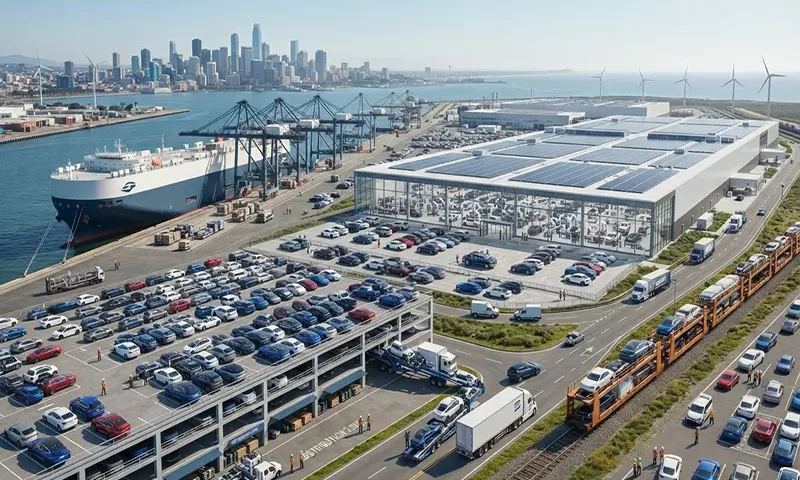
Global Automotive Industry News and New Vehicle Production Outlook
The Macro Manufacturing Landscape
Global vehicle production is navigating a complex transition phase, balancing plateauing legacy volumes against accelerating electric and software-defined architectures. With global light vehicle production stabilizing at approximately 93 million to 94 million units, original equipment manufacturers (OEMs) face intense operational pressures. Slowing consumer demand in select Western markets, shifting subsidy frameworks, and evolving trade protectionism require automakers to restructure global supply chains, optimize capacity utilization, and adapt factory floors to multi-powertrain realities.
Regional Production Shifts and Footprint Redundancy
Manufacturing footprints are fragmenting as trade policies, local content rules, and dynamic tariff frameworks force a widespread move toward localized sourcing.
- North America and Europe: Legacy producers are grappling with high operating costs, excess capacity, and uneven EV demand curves. To mitigate risk, plants are rapidly retooling to support flexible, multi-powertrain assembly lines capable of mixing internal combustion engines (ICE), hybrids (HEVs), and battery electric vehicles (BEVs) on

Latest Electric Vehicle Market Trends and Global EV Industry News
Macro Market Milestones and the Dual Narrative
The global electric vehicle landscape has reached a defining structural inflection point, with cumulative worldwide sales capturing over 25% of the total passenger vehicle market. This aggregate milestone, however, encapsulates a complex dual narrative. Rapid model proliferation and hyper-scaling in dominant territories run parallel to localized policy adjustments, shifting regulatory timelines, and cooling adoption curves in select Western markets. The primary market driver is no longer forced legislative compliance alone, but rather a natural transition driven by model affordability, fierce price competition among original equipment manufacturers (OEMs), and an unprecedented wave of secondary market liquidity.
Regional Divergences and Emerging Powerhouses
Regional market paths continue to diverge sharply across major economic blocks. China maintains its position as the undisputed global powerhouse, where domestic EV penetration frequently approaches two-thirds of total car sales, backed by aggressive vertical integration and low manufacturing cost bases. Meanwhile, Southeast … Continue reading >>>>
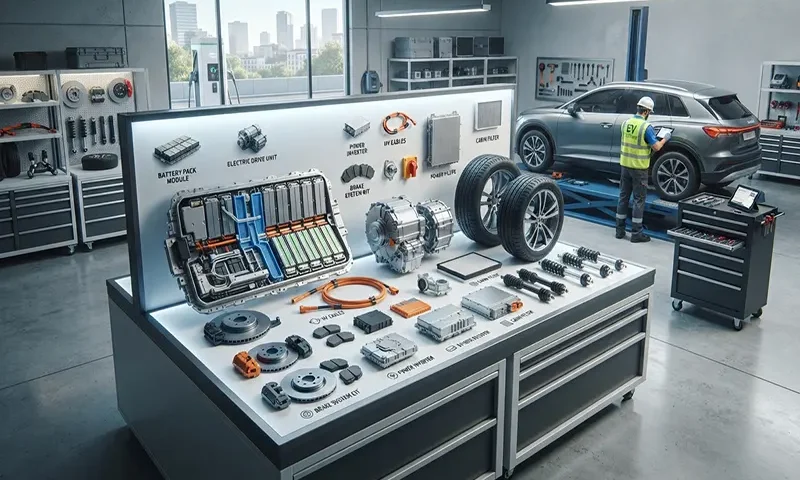
Essential Replacement Parts and Maintenance Components for Electric Vehicles
The Evolving EV Aftermarket Landscape
The global electric vehicle aftermarket is scaling rapidly, tracking past the hundred-billion-dollar threshold as early-generation fleets age out of factory warranties. Unlike internal combustion engine (ICE) vehicles, which rely heavily on periodic fluid changes, exhaust servicing, and complex engine overhauls, the EV aftermarket centers on high-load mechanical wear, specialized thermal management systems, high-voltage architecture, and software-driven upkeep. As global EV adoption matures past early-adopter curves, independent workshops and authorized service networks alike are confronting an entirely restructured catalog of high-demand replacement components and maintenance protocols.
High-Load Mechanical Components: Tires, Brakes, and Suspension
The unique physical dynamics of battery electric vehicles—characterized by massive curb weights and instant torque delivery—create aggressive wear patterns that elevate mechanical components to top-tier aftermarket revenue drivers.
- EV-Specific Tires: Heavy battery packs place continuous friction and structural load on rubber compounds, accelerating tread degradation by 20% to 30% compared to equivalent ICE