Next Generation EV Battery Technology and Fast Charging Station News

The Energy Density Frontier

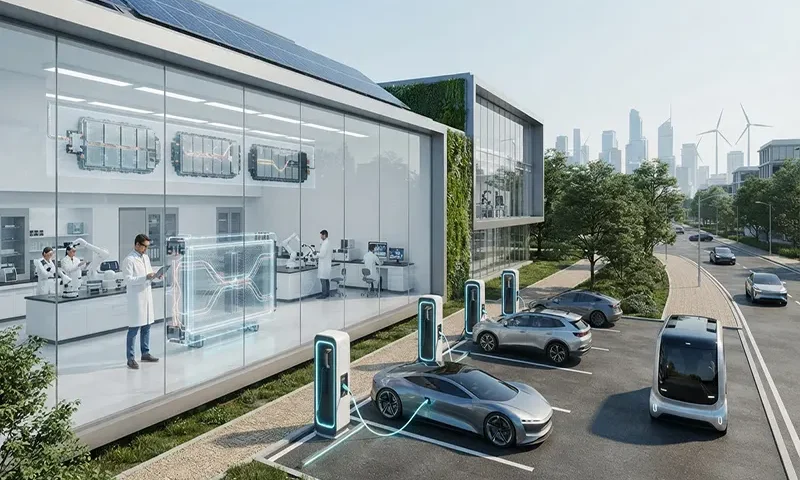
The next phase of electric vehicle mass adoption hinges entirely on breaking through legacy lithium-ion energy density ceilings and charging speed bottlenecks. While traditional chemistry has served the industry well, rising consumer expectations and commercial fleet demands require a radical leap in energy storage. Commercial breakthroughs across semi-solid-state electrolytes, silicon-dominant anodes, and megawatt-class charging infrastructure are now converging to eliminate range anxiety and slash refueling times down to parity with internal combustion engines.

Solid-State and Semi-Solid Battery Commercialization

The commercialization roadmap for advanced energy storage has entered a critical execution phase, characterized by a pragmatic shift toward semi-solid (solid-liquid hybrid) architectures.

  • The Semi-Solid Bridge: While fully dry, all-solid-state cells remain heavily confined to pilot-line optimization and research labs due to steep production cost premiums and interfacial resistance challenges, semi-solid variants (featuring a 5% to 15% liquid-solid mix) are actively scaling onto vehicle production lines.
  • Energy Density
Continue reading >>>>
Global Automotive Industry News and New Vehicle Production Outlook

The Macro Manufacturing Landscape

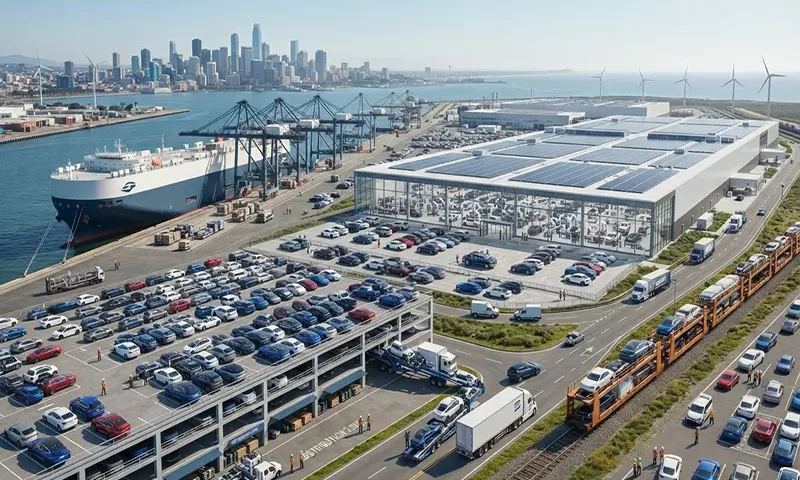
Global vehicle production is navigating a complex transition phase, balancing plateauing legacy volumes against accelerating electric and software-defined architectures. With global light vehicle production stabilizing at approximately 93 million to 94 million units, original equipment manufacturers (OEMs) face intense operational pressures. Slowing consumer demand in select Western markets, shifting subsidy frameworks, and evolving trade protectionism require automakers to restructure global supply chains, optimize capacity utilization, and adapt factory floors to multi-powertrain realities.

Regional Production Shifts and Footprint Redundancy

Manufacturing footprints are fragmenting as trade policies, local content rules, and dynamic tariff frameworks force a widespread move toward localized sourcing.

  • North America and Europe: Legacy producers are grappling with high operating costs, excess capacity, and uneven EV demand curves. To mitigate risk, plants are rapidly retooling to support flexible, multi-powertrain assembly lines capable of mixing internal combustion engines (ICE), hybrids (HEVs), and battery electric vehicles (BEVs) on
Continue reading >>>>