Pre-Owned Electric Vehicle Battery Health Certification Business Model

The Secondary Market Trust Deficit

The secondary electric vehicle market is scaling at an unprecedented rate as millions of early-lease returns and trade-ins flood dealer lots. Yet, a persistent trust deficit—driven by consumer range anxiety and profound uncertainty over high-voltage battery health—continues to create friction in used car transactions. Unlike internal combustion engines, where mechanical wear is visibly assessed through mileage and oil analysis, a battery’s internal degradation is invisible to the naked eye. Institutionalizing a transparent, certified battery health business model is the critical catalyst required to unlock market liquidity, streamline trade-in appraisals, and establish reliable residual value forecasting across the global automotive sector.

The Diagnostics Technology Stack and SoH Protocols

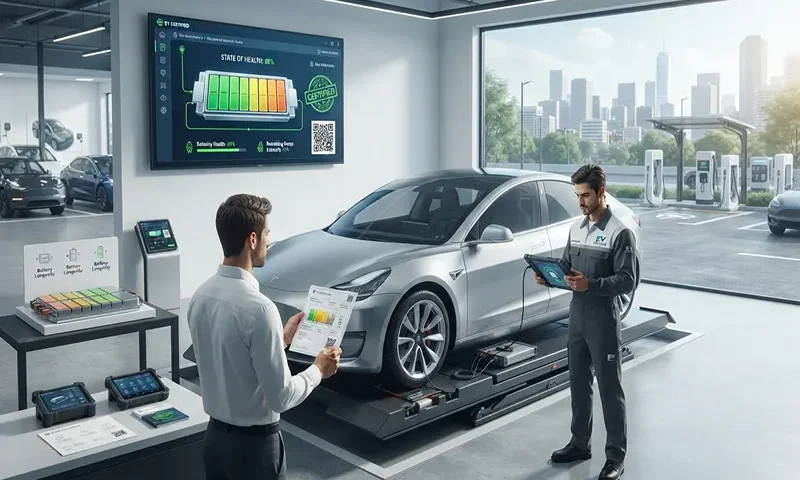
Establishing absolute buyer confidence requires moving far beyond basic, surface-level onboard diagnostics (OBD-II) toward advanced, cloud-connected telemetry and rigorous state-of-health (SoH) profiling.

  • Advanced Diagnostic Mechanics: Modern certification platforms utilize a combination of rapid charge-discharge stress testing, micro-cycle analysis,
Continue reading >>>>
High Performance Electric Vehicle Battery Replacement Packs and Home Charging Accessories

The Aftermarket Power Evolution

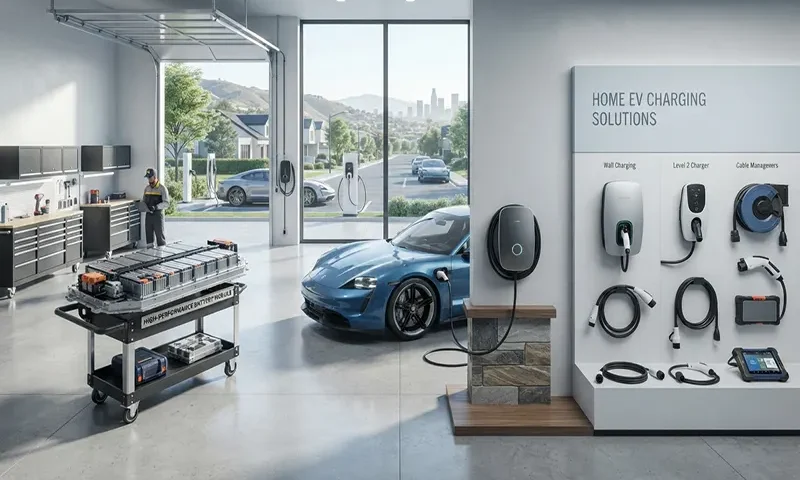
As early-generation electric vehicle fleets mature past factory warranties, the automotive aftermarket is experiencing a radical shift. The focus has moved past simple mechanical consumables toward advanced energy storage upgrades and high-power residential integration. High-performance battery replacement packs and next-generation home charging ecosystems are redefining vehicle longevity, transforming secondary market EVs into modular, highly efficient mobile assets.

High-Performance Replacement Packs: Chemistries and Modularity

The aftermarket energy sector has evolved far beyond basic OEM cell swaps, introducing high-density solutions designed to enhance original factory specifications.

  • Advanced Chemistries: Aftermarket pack developers are increasingly deploying high-voltage lithium-iron-phosphate (LFP) chemistries for enhanced thermal safety and longevity, alongside early-adopter silicon-anode options that push volumetric energy densities past 350 Wh/kg.
  • Modular Architecture: Rather than forcing consumers into expensive, full-pack replacements, modern aftermarket suppliers utilize modular cell designs. This allows certified workshops to isolate and replace degraded individual modules, slashing repair overhead.
  • Performance
Continue reading >>>>