Low Rolling Resistance Tires and Regenerative Braking System Parts for Electric Cars

The Synergy of Efficiency

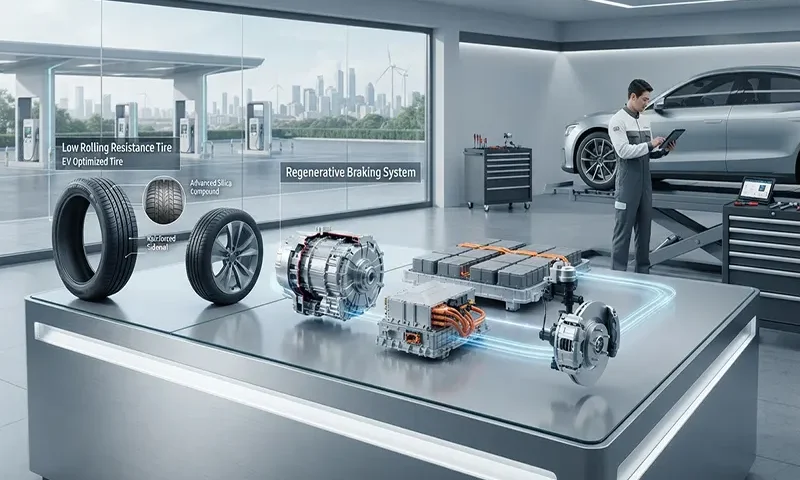
Maximizing electric vehicle range relies fundamentally on minimizing energy loss at the road contact patch and recovering kinetic energy during deceleration. Low rolling resistance (LRR) tires and regenerative braking systems form a dual-pillar efficiency matrix that extends real-world driving range by up to 25% to 30% without requiring larger, heavier battery packs. Understanding the intricate engineering behind these components is vital for optimizing vehicle efficiency, reducing thermal stress, and extending component lifespans.

Low Rolling Resistance Tires: Chemistry, Compounds, and Construction

Tire hysteresis—the energy lost as a tire deforms and recovers under load—accounts for roughly 20% of total vehicle energy consumption. EV-specific LRR tires are engineered to drastically cut this loss.

  • Silica-Rich Compounds: Modern LRR tires utilize high-dispersible silica matrices and specialized functionalized polymers that minimize internal friction and heat generation during continuous rolling.
  • Structural Reinforcement: To support the heavy mass of high-voltage battery packs, these tires
… Continue reading >>>>
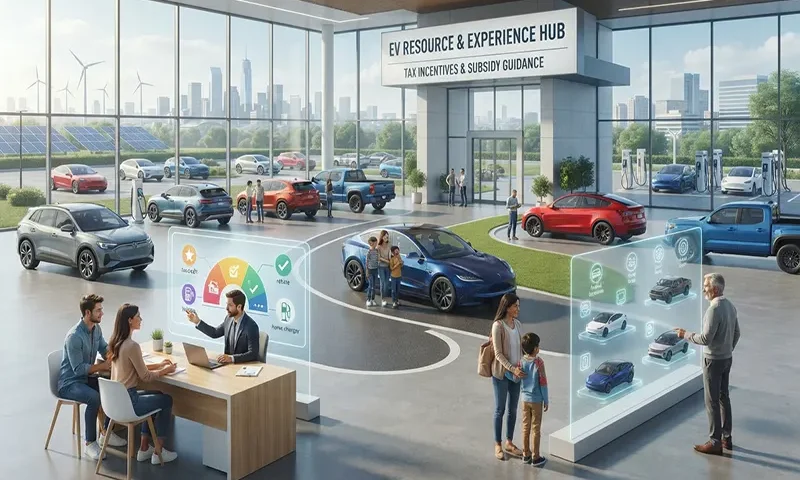
Electric Vehicle Tax Incentives, Subsidies, and Buyer Guidance

The Evolving Incentive Landscape

The electric vehicle incentive ecosystem has crossed a major turning point, transitioning away from broad national purchase subsidies toward targeted regional grants, utility programs, and market-driven pricing. While direct federal purchase credits have phased out, smart EV buyers can still unlock substantial savings by navigating state-level rebates, commercial lease loopholes, and home charging infrastructure programs.

The Post-Federal Purchase Credit Reality

With the expiration of legacy national vehicle tax credits, the financial burden of affordability has shifted heavily onto original equipment manufacturers (OEMs) and regional policy frameworks.

  • OEM Discounting and Lease Loopholes: To maintain sales volume, automakers are aggressively absorbing incentive gaps through factory-to-dealer cash allowances, subsidized promotional APR financing, and localized price reductions.
  • The Commercial Lease Advantage: Because commercial lease structures handle ownership differently, institutional leasing companies continue to leverage corporate tax frameworks to pass substantial cost savings directly into lower monthly consumer lease payments.

State,

… Continue reading >>>>
Electric Vehicle Powertrain Components and Power Inverter Replacement Parts

The Evolution of EV Powertrains

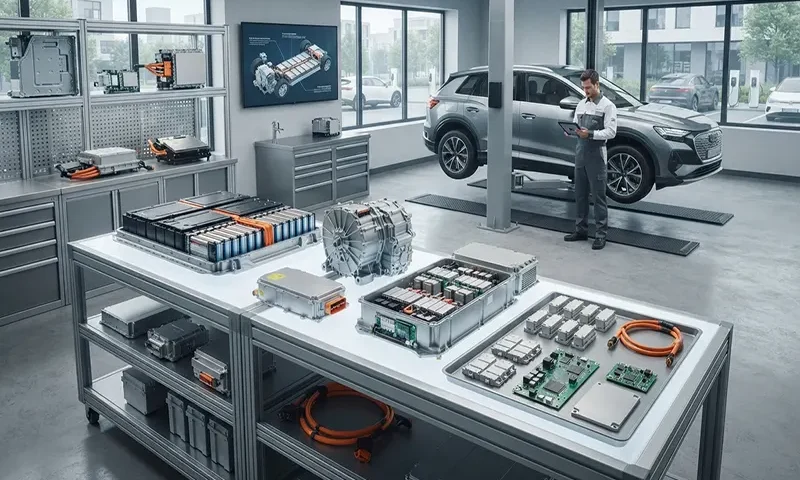
As millions of electric vehicles age past their initial factory warranties, automotive service bays are undergoing a profound transformation. Technicians are shifting away from traditional mechanical maintenance toward advanced electronic and high-voltage powertrain component servicing. Within this high-tech ecosystem, the power inverter—operating alongside integrated traction motors and high-voltage distribution assemblies—represents the single most critical high-value replacement category in the modern EV aftermarket.

The Power Inverter: Architecture, Failure Modes, and Silicon Carbide

The power inverter is the computational and switching heart of the electric powertrain, responsible for converting direct current (DC) from the high-voltage battery into variable-frequency alternating current (AC) for the traction motor.

  • Silicon-Carbide (SiC) Integration: Modern inverter replacements are rapidly moving away from legacy silicon-based insulated-gate bipolar transistors (IGBTs) toward advanced silicon-carbide (SiC) MOSFET modules. Operating at switching frequencies exceeding 20 kHz and voltage thresholds from 800V to 1,000V, SiC modules slash thermal dissipation
… Continue reading >>>>
Upcoming Electric Car Launches: Price Updates and Performance Specs

The 2026 EV Launch Landscape

The global automotive market is experiencing a massive wave of new electric vehicle introductions, driven by intensified price competition and aggressive platform sharing among original equipment manufacturers (OEMs). Automakers are pivoting toward aggressive pricing transparency, longer range capabilities, and ultra-fast charging architectures to capture mainstream buyers. With battery pack manufacturing costs dropping significantly over the past year, the newest crop of showroom arrivals bridges the gap between early-adopter luxury and high-volume commercial accessibility.

Affordable Mass-Market Entries and Price Corrections

A major focus of current launches is the sub-$35,000 to $40,000 segment, where scale and lithium-iron-phosphate (LFP) battery integration are driving down entry-level price points.

  • Budget-Friendly Segments: New urban crossovers and hatchbacks—such as upcoming entries from traditional volume brands—are targeting the $25,000 to $30,000 threshold to directly challenge internal combustion engine alternatives.
  • Price Realignment: To stimulate demand amid shifting regulatory incentives, major manufacturers have introduced sticker
… Continue reading >>>>
High Performance Electric Vehicle Battery Replacement Packs and Home Charging Accessories

The Aftermarket Power Evolution

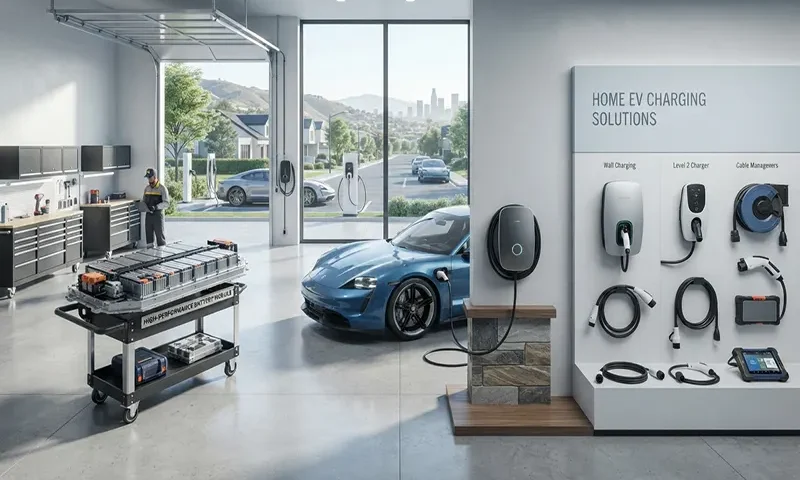
As early-generation electric vehicle fleets mature past factory warranties, the automotive aftermarket is experiencing a radical shift. The focus has moved past simple mechanical consumables toward advanced energy storage upgrades and high-power residential integration. High-performance battery replacement packs and next-generation home charging ecosystems are redefining vehicle longevity, transforming secondary market EVs into modular, highly efficient mobile assets.

High-Performance Replacement Packs: Chemistries and Modularity

The aftermarket energy sector has evolved far beyond basic OEM cell swaps, introducing high-density solutions designed to enhance original factory specifications.

  • Advanced Chemistries: Aftermarket pack developers are increasingly deploying high-voltage lithium-iron-phosphate (LFP) chemistries for enhanced thermal safety and longevity, alongside early-adopter silicon-anode options that push volumetric energy densities past 350 Wh/kg.
  • Modular Architecture: Rather than forcing consumers into expensive, full-pack replacements, modern aftermarket suppliers utilize modular cell designs. This allows certified workshops to isolate and replace degraded individual modules, slashing repair overhead.
  • Performance
… Continue reading >>>>