Next Generation EV Battery Technology and Fast Charging Station News

The Energy Density Frontier

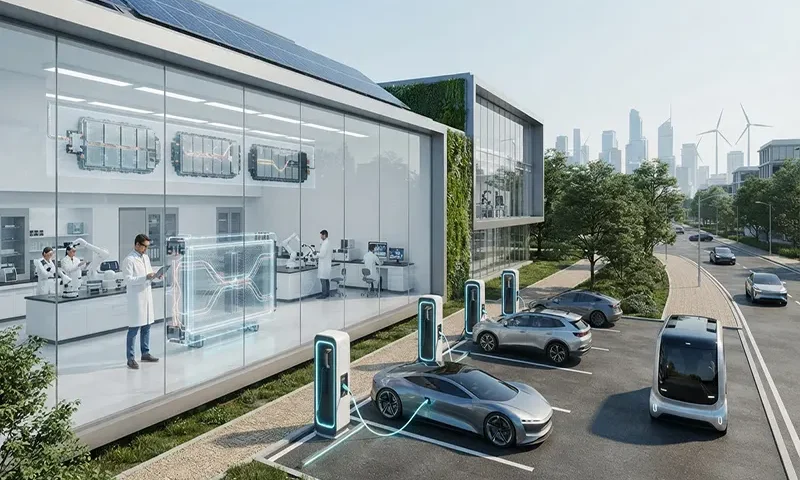
The next phase of electric vehicle mass adoption hinges entirely on breaking through legacy lithium-ion energy density ceilings and charging speed bottlenecks. While traditional chemistry has served the industry well, rising consumer expectations and commercial fleet demands require a radical leap in energy storage. Commercial breakthroughs across semi-solid-state electrolytes, silicon-dominant anodes, and megawatt-class charging infrastructure are now converging to eliminate range anxiety and slash refueling times down to parity with internal combustion engines.

Solid-State and Semi-Solid Battery Commercialization

The commercialization roadmap for advanced energy storage has entered a critical execution phase, characterized by a pragmatic shift toward semi-solid (solid-liquid hybrid) architectures.

  • The Semi-Solid Bridge: While fully dry, all-solid-state cells remain heavily confined to pilot-line optimization and research labs due to steep production cost premiums and interfacial resistance challenges, semi-solid variants (featuring a 5% to 15% liquid-solid mix) are actively scaling onto vehicle production lines.
  • Energy Density
… Continue reading >>>>
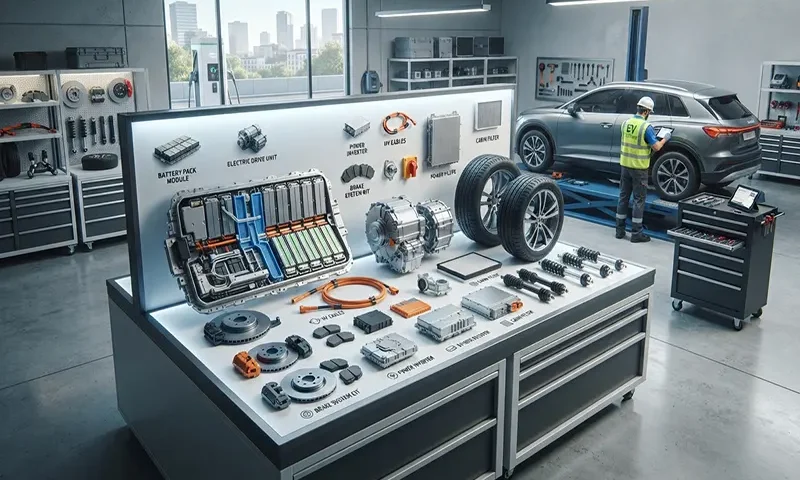
Essential Replacement Parts and Maintenance Components for Electric Vehicles

The Evolving EV Aftermarket Landscape

The global electric vehicle aftermarket is scaling rapidly, tracking past the hundred-billion-dollar threshold as early-generation fleets age out of factory warranties. Unlike internal combustion engine (ICE) vehicles, which rely heavily on periodic fluid changes, exhaust servicing, and complex engine overhauls, the EV aftermarket centers on high-load mechanical wear, specialized thermal management systems, high-voltage architecture, and software-driven upkeep. As global EV adoption matures past early-adopter curves, independent workshops and authorized service networks alike are confronting an entirely restructured catalog of high-demand replacement components and maintenance protocols.

High-Load Mechanical Components: Tires, Brakes, and Suspension

The unique physical dynamics of battery electric vehicles—characterized by massive curb weights and instant torque delivery—create aggressive wear patterns that elevate mechanical components to top-tier aftermarket revenue drivers.

  • EV-Specific Tires: Heavy battery packs place continuous friction and structural load on rubber compounds, accelerating tread degradation by 20% to 30% compared to equivalent ICE
… Continue reading >>>>
Latest Electric Vehicle Market Trends and Global EV Industry News

Macro Adoption Milestones

The global transition toward automotive electrification has reached a definitive inflection point. According to industry intelligence data, global electric vehicle sales are tracking to capture over 27 percent of total passenger vehicle sales worldwide, a massive leap from just 9 percent five years prior. While legacy adoption curves were predominantly dictated by heavy government subsidies and mandates, the current market is being propelled forward by fundamental improvements in vehicle economics, plunging lithium-ion battery prices, and a wave of affordable new model introductions.

However, this growth masks an increasingly fragmented global landscape. Regional divergences have widened significantly, with maturing markets and aggressive trade policies creating a complex matrix of challenges and opportunities for original equipment manufacturers (OEMs). Understanding these shifts is vital for automotive executives, investors, and supply chain strategists looking to navigate the remainder of the decade.

Regional Divergences: Leaders, Laggards, and Emerging Hotspots

China continues to … Continue reading >>>>

Types of Electric Car Charging Systems and Their Efficiency

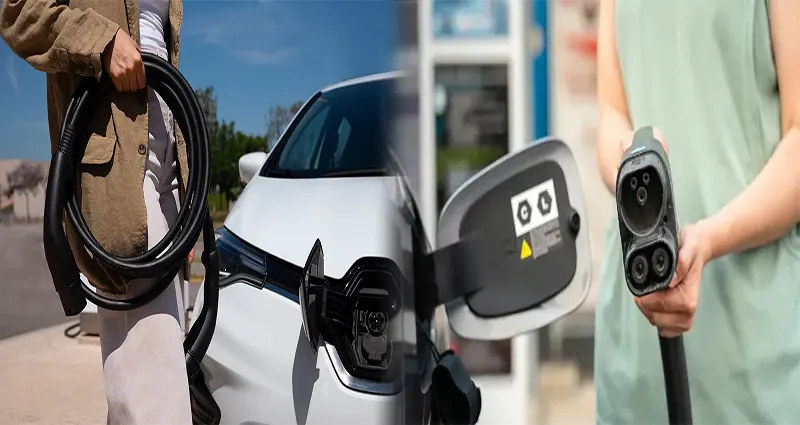
As electric vehicles continue to gain popularity due to their environmental benefits and cost-effective operation, the demand for efficient and reliable charging systems is on the rise. Various types of electric car charging systems are available to cater to different needs and preferences. Understanding the different options can help electric vehicle owners optimize their charging experience. Here are some of the most common types of electric car charging systems and their efficiency:

Level 1 Charging

Level 1 charging is the most basic and slowest form of charging for electric vehicles. It involves using a standard 120-volt household electrical outlet to deliver power to the vehicle’s battery. While Level 1 charging is convenient and accessible, it is also the least efficient option as it provides the slowest charging speeds. This type of charging is ideal for overnight charging or for emergency situations when a faster charger is not available.

Level 2

… Continue reading >>>>
Exploring the Innovation of Regenerative Braking in Electric Vehicles

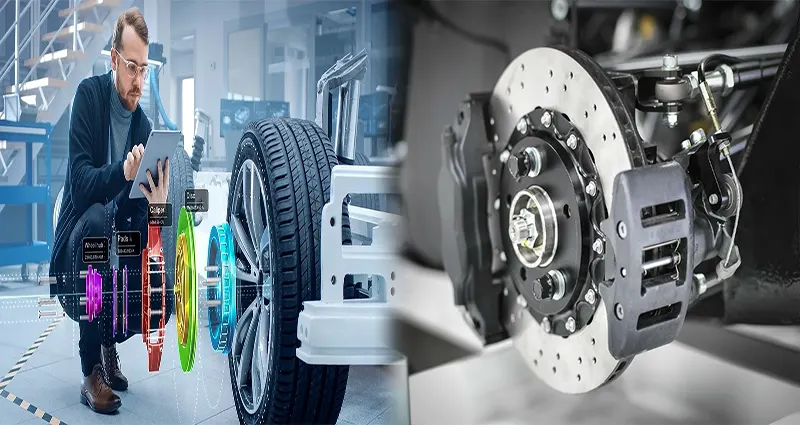
One of the key innovations in electric vehicles (EVs) that sets them apart from traditional gasoline-powered cars is the concept of regenerative braking. This technology not only improves the efficiency of EVs but also contributes to a more sustainable and eco-friendly mode of transportation. Let’s delve into how regenerative braking works in electric vehicles and its impact on the driving experience and energy conservation.

Understanding Regenerative Braking

Regenerative braking is a system that allows electric vehicles to recover and store energy typically lost during braking or deceleration. When a driver steps on the brake pedal or releases the accelerator in an EV, the electric motor reverses its function and operates as a generator. Instead of dissipating the kinetic energy as heat as in traditional braking systems, the generator slows down the vehicle by converting the kinetic energy into electrical energy. This electrical energy is then stored in the battery for … Continue reading >>>>