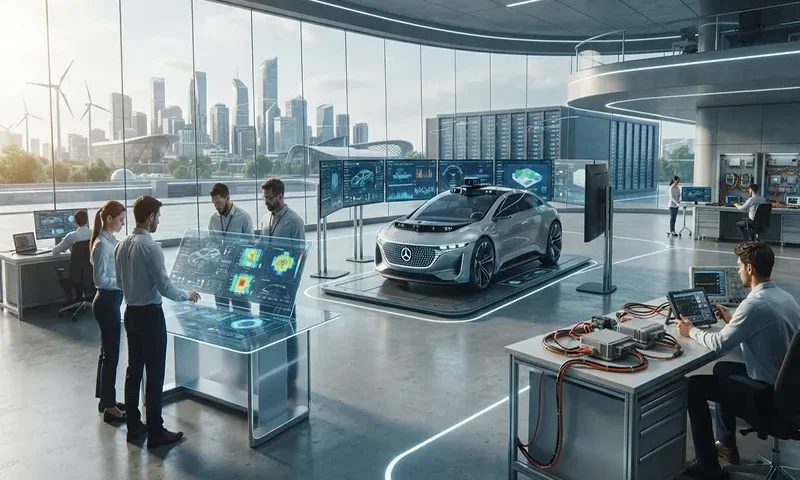

Upcoming Electric Car Launches: Price Updates and Performance Specs

The 2026 EV Launch Landscape

The global automotive market is experiencing a massive wave of new electric vehicle introductions, driven by intensified price competition and aggressive platform sharing among original equipment manufacturers (OEMs). Automakers are pivoting toward aggressive pricing transparency, longer range capabilities, and ultra-fast charging architectures to capture mainstream buyers. With battery pack manufacturing costs dropping significantly over the past year, the newest crop of showroom arrivals bridges the gap between early-adopter luxury and high-volume commercial accessibility.

Affordable Mass-Market Entries and Price Corrections

A major focus of current launches is the sub-$35,000 to $40,000 segment, where scale and lithium-iron-phosphate (LFP) battery integration are driving down entry-level price points.

  • Budget-Friendly Segments: New urban crossovers and hatchbacks—such as upcoming entries from traditional volume brands—are targeting the $25,000 to $30,000 threshold to directly challenge internal combustion engine alternatives.
  • Price Realignment: To stimulate demand amid shifting regulatory incentives, major manufacturers have introduced sticker
Continue reading >>>>
Software Defined Vehicle Market Insights and Automotive Tech News

The Centralized Computing Paradigm

The automotive industry has crossed a decisive structural threshold, moving definitively away from distributed, single-function electronic control units (ECUs) toward centralized domain and zonal computing architectures. Valued at over $600 billion globally, Software-Defined Vehicles (SDVs) are no longer viewed as experimental concepts. Instead, they represent the core operational determinant of vehicle valuation, user experience, and long-term recurring revenue streams for both legacy original equipment manufacturers (OEMs) and electric vehicle pure-plays.

Zonal E/E Architectures and Silicon Convergence

The structural migration from dozens of isolated microcontrollers to high-performance zonal controllers and central compute clusters is redefining physical vehicle design.

  • Hardware and Software Decoupling: By routing local sensors and actuators through 4 to 6 regional zone controllers connected via multi-gigabit automotive Ethernet backbones, automakers are cutting wiring harness lengths by up to 60%, drastically reducing vehicle curb weight.
  • High-Performance SoCs: Advanced system-on-chips (SoCs) equipped with integrated AI accelerators now
Continue reading >>>>