Electric Vehicle Tax Incentives, Subsidies, and Buyer Guidance

The Evolving Incentive Landscape

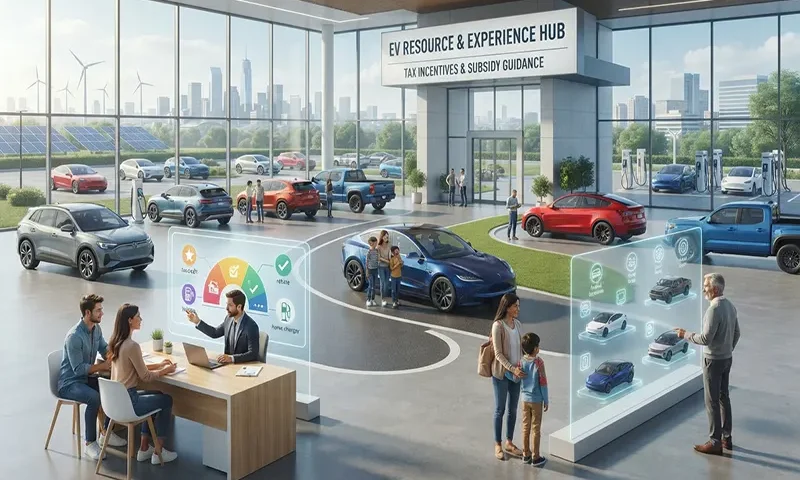
The electric vehicle incentive ecosystem has crossed a major turning point, transitioning away from broad national purchase subsidies toward targeted regional grants, utility programs, and market-driven pricing. While direct federal purchase credits have phased out, smart EV buyers can still unlock substantial savings by navigating state-level rebates, commercial lease loopholes, and home charging infrastructure programs.

The Post-Federal Purchase Credit Reality

With the expiration of legacy national vehicle tax credits, the financial burden of affordability has shifted heavily onto original equipment manufacturers (OEMs) and regional policy frameworks.

  • OEM Discounting and Lease Loopholes: To maintain sales volume, automakers are aggressively absorbing incentive gaps through factory-to-dealer cash allowances, subsidized promotional APR financing, and localized price reductions.
  • The Commercial Lease Advantage: Because commercial lease structures handle ownership differently, institutional leasing companies continue to leverage corporate tax frameworks to pass substantial cost savings directly into lower monthly consumer lease payments.

State,

… Continue reading >>>>

Upcoming Electric Car Launches: Price Updates and Performance Specs

The 2026 EV Launch Landscape

The global automotive market is experiencing a massive wave of new electric vehicle introductions, driven by intensified price competition and aggressive platform sharing among original equipment manufacturers (OEMs). Automakers are pivoting toward aggressive pricing transparency, longer range capabilities, and ultra-fast charging architectures to capture mainstream buyers. With battery pack manufacturing costs dropping significantly over the past year, the newest crop of showroom arrivals bridges the gap between early-adopter luxury and high-volume commercial accessibility.

Affordable Mass-Market Entries and Price Corrections

A major focus of current launches is the sub-$35,000 to $40,000 segment, where scale and lithium-iron-phosphate (LFP) battery integration are driving down entry-level price points.

  • Budget-Friendly Segments: New urban crossovers and hatchbacks—such as upcoming entries from traditional volume brands—are targeting the $25,000 to $30,000 threshold to directly challenge internal combustion engine alternatives.
  • Price Realignment: To stimulate demand amid shifting regulatory incentives, major manufacturers have introduced sticker
… Continue reading >>>>
Next Generation EV Battery Technology and Fast Charging Station News

The Energy Density Frontier

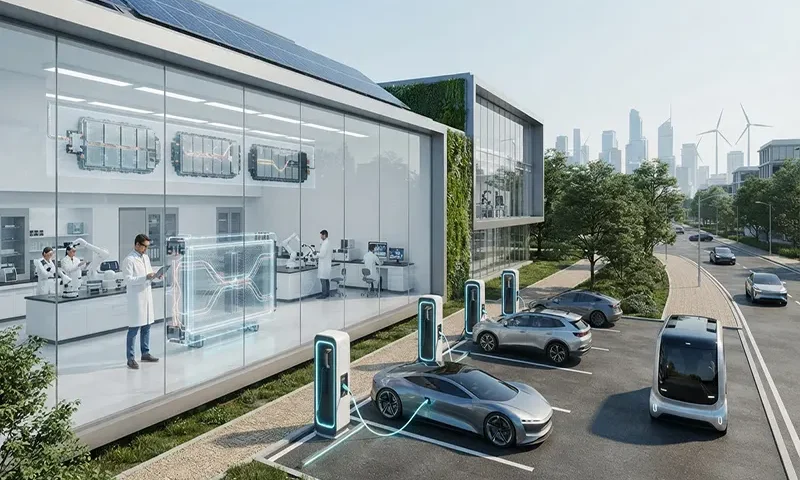
The next phase of electric vehicle mass adoption hinges entirely on breaking through legacy lithium-ion energy density ceilings and charging speed bottlenecks. While traditional chemistry has served the industry well, rising consumer expectations and commercial fleet demands require a radical leap in energy storage. Commercial breakthroughs across semi-solid-state electrolytes, silicon-dominant anodes, and megawatt-class charging infrastructure are now converging to eliminate range anxiety and slash refueling times down to parity with internal combustion engines.

Solid-State and Semi-Solid Battery Commercialization

The commercialization roadmap for advanced energy storage has entered a critical execution phase, characterized by a pragmatic shift toward semi-solid (solid-liquid hybrid) architectures.

  • The Semi-Solid Bridge: While fully dry, all-solid-state cells remain heavily confined to pilot-line optimization and research labs due to steep production cost premiums and interfacial resistance challenges, semi-solid variants (featuring a 5% to 15% liquid-solid mix) are actively scaling onto vehicle production lines.
  • Energy Density
… Continue reading >>>>
Latest Electric Vehicle Market Trends and Global EV Industry News

Macro Adoption Milestones

The global transition toward automotive electrification has reached a definitive inflection point. According to industry intelligence data, global electric vehicle sales are tracking to capture over 27 percent of total passenger vehicle sales worldwide, a massive leap from just 9 percent five years prior. While legacy adoption curves were predominantly dictated by heavy government subsidies and mandates, the current market is being propelled forward by fundamental improvements in vehicle economics, plunging lithium-ion battery prices, and a wave of affordable new model introductions.

However, this growth masks an increasingly fragmented global landscape. Regional divergences have widened significantly, with maturing markets and aggressive trade policies creating a complex matrix of challenges and opportunities for original equipment manufacturers (OEMs). Understanding these shifts is vital for automotive executives, investors, and supply chain strategists looking to navigate the remainder of the decade.

Regional Divergences: Leaders, Laggards, and Emerging Hotspots

China continues to … Continue reading >>>>

The Formation of Persatuan Ahli Farmasi Indonesia

The establishment of the Persatuan Ahli Farmasi Indonesia or called pafikabklaten.org (PAFI) represents a pivotal moment in the history of pharmaceutical practice in Indonesia. As the principal organization dedicated to the advancement of the pharmacy profession, PAFI’s formation was a response to the evolving needs of the Indonesian healthcare system and the desire to unify and elevate the standards of pharmaceutical practice across the nation.

Historical Context

In the early 1950s, Indonesia was grappling with a myriad of challenges in its healthcare sector. The country was in the midst of post-independence development, striving to establish a cohesive national healthcare system. The pharmaceutical sector, crucial to this development, faced a range of issues including inconsistent practices, varying levels of education among pharmacists, and a lack of standardized regulations.

At this juncture, there was a growing recognition of the need for a professional organization that could address these challenges, advocate for the … Continue reading >>>>