
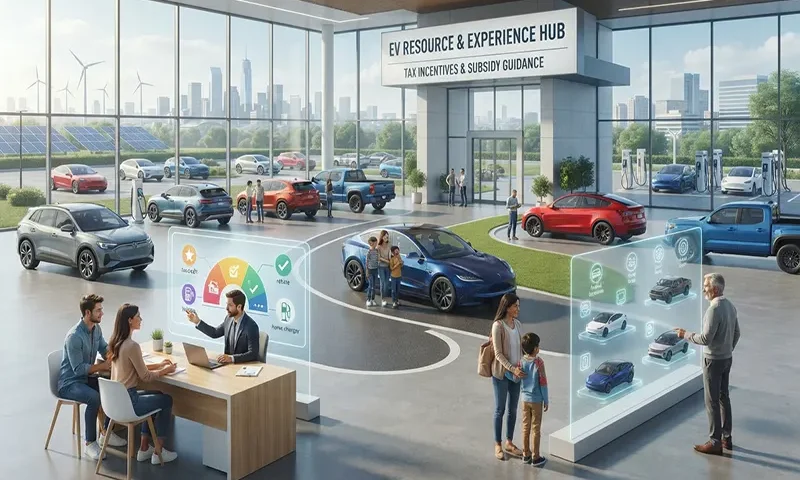
The Evolving Incentive Landscape
The electric vehicle incentive ecosystem has crossed a major turning point, transitioning away from broad national purchase subsidies toward targeted regional grants, utility programs, and market-driven pricing. While direct federal purchase credits have phased out, smart EV buyers can still unlock substantial savings by navigating state-level rebates, commercial lease loopholes, and home charging infrastructure programs.
The Post-Federal Purchase Credit Reality
With the expiration of legacy national vehicle tax credits, the financial burden of affordability has shifted heavily onto original equipment manufacturers (OEMs) and regional policy frameworks.
- OEM Discounting and Lease Loopholes: To maintain sales volume, automakers are aggressively absorbing incentive gaps through factory-to-dealer cash allowances, subsidized promotional APR financing, and localized price reductions.
- The Commercial Lease Advantage: Because commercial lease structures handle ownership differently, institutional leasing companies continue to leverage corporate tax frameworks to pass substantial cost savings directly into lower monthly consumer lease payments.
State, Municipal, and Utility-Backed Rebates
Regional programs have stepped into the spotlight, creating a robust patchwork of localized grants and clean vehicle replacement vouchers.
- Targeted State Subsidies: Income-qualified programs (such as California’s Clean Cars 4 All framework) offer substantial cash grants for scrapping older high-polluting vehicles in exchange for battery-electric or plug-in hybrid models.
- Utility-Specific Tariffs: Regional electric utilities offer special off-peak charging rates, dedicated EV time-of-use tariffs, and cash-back rebates for installing smart home wall connectors. Stacking these programs with municipal grants can significantly offset upfront transaction costs.
Home Charging Infrastructure and Ancillary Subsidies
Transitioning fuel dependency from public fast-charging networks to residential infrastructure remains a primary driver of long-term EV ownership savings.
- Hardware and Installation Support: Regional electrical upgrade grants and utility programs help offset the capital expenditure of modernizing home electrical panels to support 48A to 80A Level 2 chargers.
- Commercial and Workplace Grants: Fleet operators and commercial real estate developers can leverage localized infrastructure funding to offset depot-scale or multi-unit dwelling charging installations.
Strategic Buyer Roadmap and TCO Calculus
Navigating the current market requires moving beyond a singular focus on upfront tax credits to evaluate comprehensive total cost of ownership (TCO) metrics. Savvy buyers must factor in dramatically lower ongoing maintenance expenses, reduced insurance premiums, and per-mile energy savings compared to internal combustion alternatives. By combining aggressive manufacturer lease incentives with regional utility rebates, buyers can secure exceptional value in a mature, subsidy-independent electric vehicle marketplace.

