Key Components of an Electric Car and How They Work

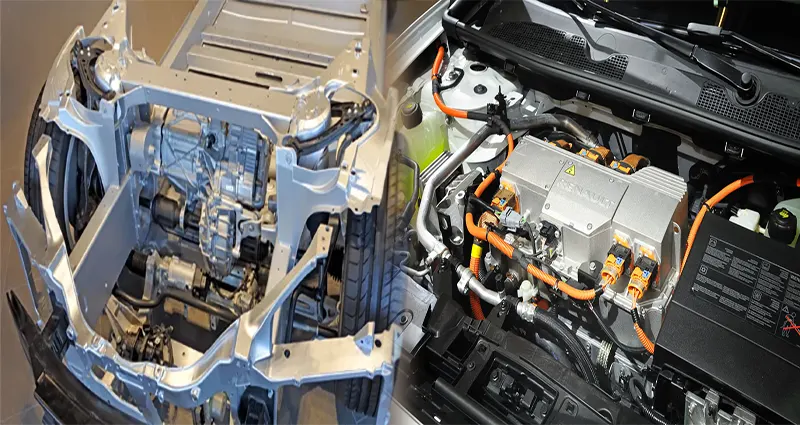
Electric cars have become increasingly popular due to their eco-friendly nature and cost-effective operation. Understanding the key components of an electric car and how they work is essential for anyone interested in this innovative mode of transportation.

Battery Pack:

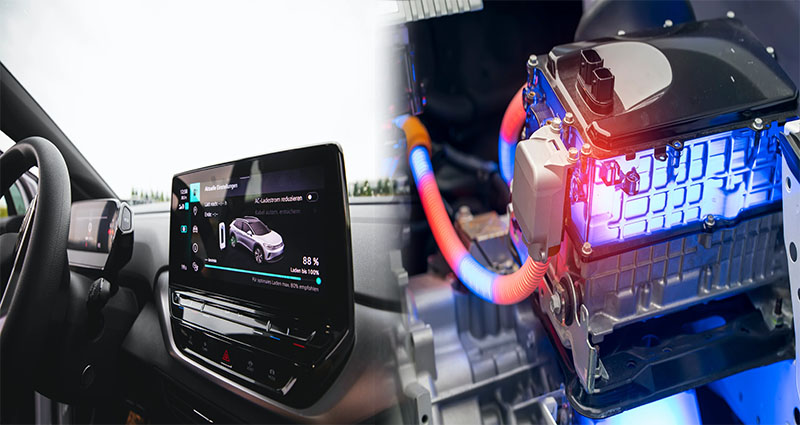
The heart of an electric car is its battery pack, which stores the electrical energy needed to power the vehicle. These packs typically consist of lithium-ion batteries, which are lightweight and have high energy density. When the car is in operation, the battery pack supplies electricity to the electric motor.

Electric Motor:

Electric cars are equipped with an electric motor that is responsible for converting electrical energy from the battery pack into mechanical energy to drive the vehicle. These motors are highly efficient and require less maintenance compared to traditional internal combustion engines.

Charging System:

The charging system in an electric car is essential for replenishing the energy in the battery … Continue reading >>>>

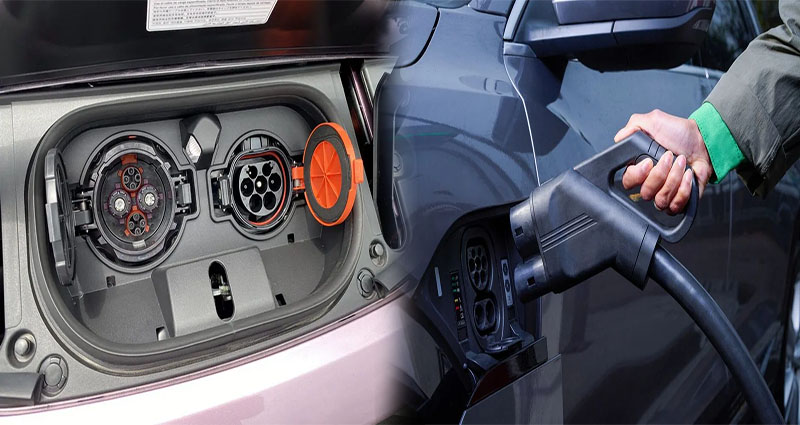
Differences in Battery Specifications Between Standard and Fast-Charging Electric Vehicles

When it comes to electric vehicles, one of the key components that contribute to their performance and usability is the battery. Electric vehicle (EV) batteries come in different specifications, with one of the primary distinctions being between standard and fast-charging batteries.

Standard Electric Vehicle Batteries

Standard electric vehicle batteries are designed to provide a reliable source of power for the vehicle’s electric motor. These batteries typically have lower power density and energy density compared to fast-charging batteries. This means that standard batteries can store less energy and take longer to charge fully.

Standard electric vehicle batteries are usually made of lithium-ion technology, which is widely used in the EV industry due to its reliability and performance. These batteries are suitable for drivers who have regular access to charging stations and can afford longer charging times.

Fast-Charging Electric Vehicle Batteries

Fast-charging electric vehicle batteries, as the name suggests, are designed to … Continue reading >>>>

E-Bike Battery Maintenance Tips for Extending Lifespan and Efficiency

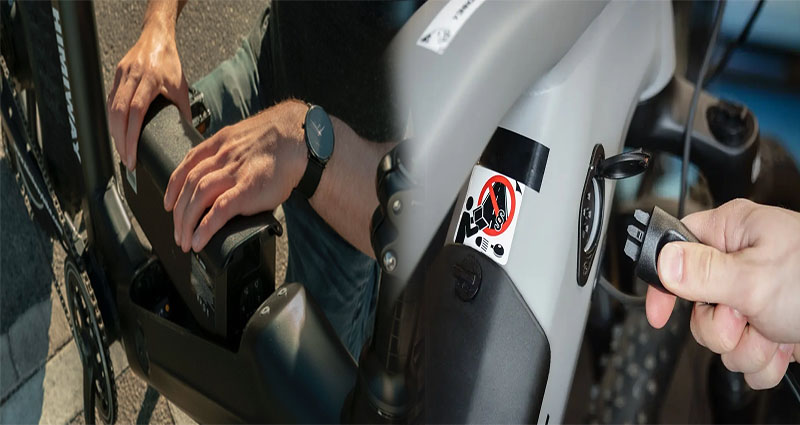
E-bikes have become a popular mode of transportation, offering a convenient and eco-friendly way to get around. At the heart of every e-bike is its battery, which not only powers the bike but also significantly impacts its performance and longevity. To ensure that your e-bike battery remains efficient and has a long lifespan, it is essential to follow proper maintenance practices. Here are some key tips for maintaining your e-bike battery:

1. Proper Storage

Proper storage of the e-bike battery is crucial for maintaining its efficiency and lifespan. When not in use, store the battery in a cool, dry place away from direct sunlight and extreme temperatures. Avoid leaving the battery fully charged or fully depleted for extended periods, as this can lead to degradation. Instead, aim to store the battery at around 50% charge to minimize stress on the cells.

2. Regular Charging

Follow the manufacturer’s guidelines for charging … Continue reading >>>>

Key Factors Influencing Electric Vehicle Battery Performance and Lifespan

Electric vehicles (EVs) have gained immense popularity in recent years as a sustainable and environmentally friendly mode of transportation. One of the critical components of an electric vehicle is its battery, as it directly impacts the vehicle’s performance and lifespan. Understanding the key factors that influence electric vehicle battery performance and lifespan is crucial for maximizing the efficiency and longevity of these vehicles.

1. Temperature

Temperature plays a significant role in determining the performance and lifespan of an electric vehicle battery. Extreme temperatures, both hot and cold, can negatively impact battery efficiency and longevity. High temperatures can accelerate degradation processes within the battery, while low temperatures can reduce its ability to hold a charge. It is essential to maintain the battery within the optimal temperature range to ensure optimal performance and extended lifespan.

2. Charging Habits

Charging habits also play a crucial role in determining electric vehicle battery performance and … Continue reading >>>>

How to Choose the Best E-Bike Battery for Long-Lasting Performance

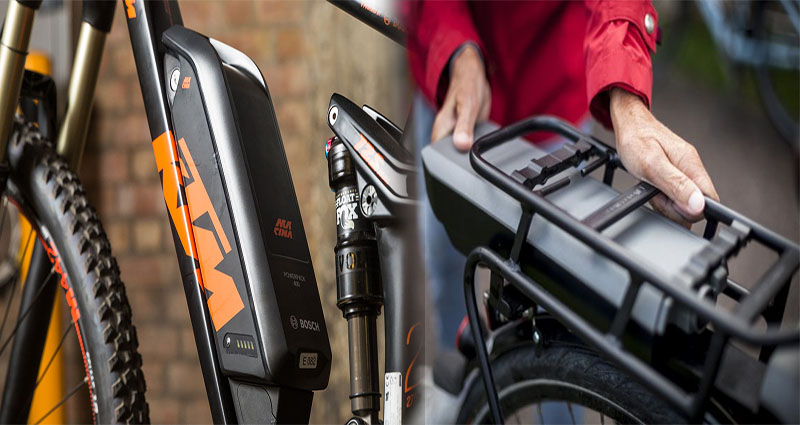
E-bikes, or electric bikes, have gained immense popularity in recent years due to their convenience, efficiency, and eco-friendliness. One of the most critical components of an e-bike is its battery, as it determines the overall performance and longevity of the bike. Choosing the right e-bike battery is essential for ensuring long-lasting performance. Here are some key factors to consider when selecting the best e-bike battery:

1. Battery Capacity

Battery capacity is measured in watt-hours (Wh) and indicates how much energy the battery can store. The higher the watt-hours, the longer the battery will last before needing a recharge. Consider your daily commuting needs and choose a battery with sufficient capacity to meet your requirements. If you frequently ride long distances or need to tackle steep terrain, opt for a higher capacity battery to ensure you don’t run out of power during your journey.

2. Battery Weight

The weight of an … Continue reading >>>>